
Modern business runs on expectations. Customers want fast delivery, accurate tracking, and easy returns. Partners want reliable inbound flow and predictable replenishment. A strong logistics shipping network turns those expectations into repeatable performance, even when demand spikes or supply lines tighten.
This is where network thinking matters. One carrier, one warehouse, or one route can work on a calm week. Real growth needs options, visibility, and backup plans that activate fast. Many teams start by benchmarking leaders in the space, such as XPO Logistics shipping then map what a resilient network looks like for their own products, margins, and service promises. For more shipping tips and planning ideas, visit website.
Logistics Networks Turn Promises into Predictable Service

A shipping network is more than trucks and labels. It is the coordinated system of lanes, carriers, facilities, technology, and operating rules that move goods from origin to destination. When the network is designed well, customer delivery windows stop feeling like guesses. They become commitments your team can hit day after day.
Predictability comes from coverage and cadence. Coverage means you can reach key markets without fragile workarounds. Cadence means your pickups, linehaul departures, sort schedules, and final mile handoffs follow a rhythm that reduces chaos. Over time, that rhythm becomes a competitive advantage. Customers notice fewer delays, fewer missed scans, and fewer “where is my order” tickets.
A strong network also supports consistency across channels. Many companies sell through retail, wholesale, marketplaces, and direct-to-consumer at the same time. Each channel carries its own rules for labeling, packaging, delivery appointments, and compliance. A mature network builds those requirements into the flow so teams do not scramble at the last minute.
Resilience Reduces Risk When Disruption Hits
Disruption is not rare. Weather, labor constraints, port congestion, road closures, and carrier capacity shifts show up without warning. A weak network reacts by apologizing and expediting. A strong network reroutes, rebalances, and keeps orders moving with minimal customer impact.
Resilience starts with optionality. That can mean multiple carriers per lane, a mix of parcel and LTL options, or flexible access to regional providers during peak seasons. It can also mean having more than one fulfillment node for the same SKU, so inventory can be positioned closer to demand when conditions change.
It also depends on clear decision rules. When a lane breaks, who can authorize a carrier swap? When lead times stretch, when do you split shipments or ship partials? Companies that document these triggers and empower teams to act avoid long pauses that compound delays. In logistics, slow decisions cost as much as bad decisions.
Speed Comes From Smart Placement, Not Constant Expediting
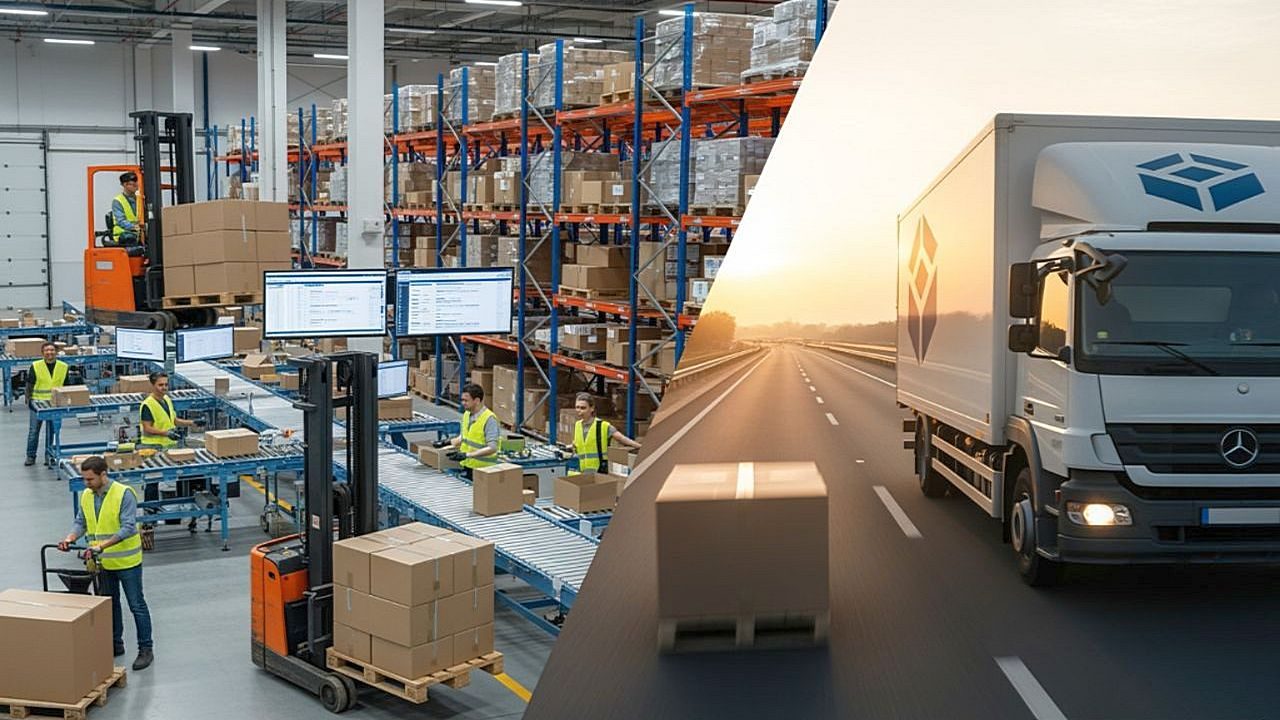
Many businesses chase speed with premium shipping methods. That works until it breaks the margin model. A strong network delivers speed through design, not panic. The biggest lever is inventory placement. If the right products sit closer to buyers, you can ship faster without paying for rush services on every order.
Facility strategy matters here. One central warehouse can be efficient for storage, but it can add distance and time for large parts of the country. A two node or multi node approach can reduce zones, shorten transit times, and improve delivery predictability. The right answer depends on order density, product size, and regional demand patterns.
Transportation design matters too. Linehaul schedules, cross-dock options, and carrier pickup timing can shave a full day off the clock without changing the advertised service level. When teams stop treating transportation like a fixed cost and start treating it as a controllable system, speed and cost improve together.
Cost Control Depends on Network Leverage and Data Discipline
Shipping costs rarely rise in a straight line. They jump with fuel swings, peak surcharges, dimensional weight rules, and accessorial fees. A strong network gives you leverage, not just rates. Leverage comes from volume concentration, performance tracking, and the ability to shift freight when a carrier stops meeting expectations.
Data discipline is what keeps cost control real. Many companies look at total freight spend and miss the leak points. Leak points include repeated address corrections, residential surcharges, re-delivery attempts, detention time, and packaging that triggers dimensional penalties. When you track these by lane, carrier, and customer segment, patterns become obvious and fixable.
Packaging deserves special attention because it sits at the intersection of cost and damage. Right-sized cartons, protective materials, and standardized pack rules reduce DIM charges and lower claim rates. That protects margin and customer trust at the same time. It also lowers the workload on customer support and returns teams.
Visibility and Coordination Create Better Customer Experiences

Customers judge shipping by what they can see. Accurate tracking, proactive alerts, and clear delivery estimates reduce frustration. A strong logistics network builds visibility into every handoff, from warehouse scan to carrier acceptance to last-mile status updates.
Visibility also improves coordination inside the business. Sales needs realistic lead times. Marketing needs confidence before launching a promotion. Customer support needs a single source of truth. Finance needs clean data for landed cost and profitability analysis. When shipping information lives in disconnected systems, each team creates its own version of reality. That creates conflict and slow response times.
Coordination improves when logistics becomes a shared operating language. Standard definitions for ship dates, cutoff times, and delivery promises prevent misunderstandings. Regular performance reviews with carriers, and a tight feedback loop between warehouse operations and transportation, keep problems from repeating.
A High-Performance Network Scales Growth Without Breaking Operations
Growth adds complexity fast. More SKUs, more destinations, more channels, and more return volume. Without a strong network, growth increases fire drills. With a strong network, growth becomes a controlled expansion that operations can support.
Scaling starts with standardization. Documented processes, clear service tiers, and repeatable onboarding for new carriers or new fulfillment sites help you add capacity without reinventing work each time. Technology supports that effort, but the real win comes from operational clarity and consistent execution.
A scalable network also supports strategy shifts. Companies change product lines, add subscriptions, expand internationally, or move into B2B shipping. A flexible logistics foundation makes those moves possible without service failures. In the long run, strong logistics networks do not just deliver boxes. They protect reputation, preserve margin, and keep growth sustainable.